This Earth Day, we’re reflecting on Glenbow’s path to a more sustainable future.
One goal of Glenbow’s transformation has been to position the museum for long-term sustainability. With outdated and aging infrastructure across the building, the project created opportunities to improve energy efficiency, reduce carbon emissions, and consider new approaches to maintaining the museum.
Reusing the Building
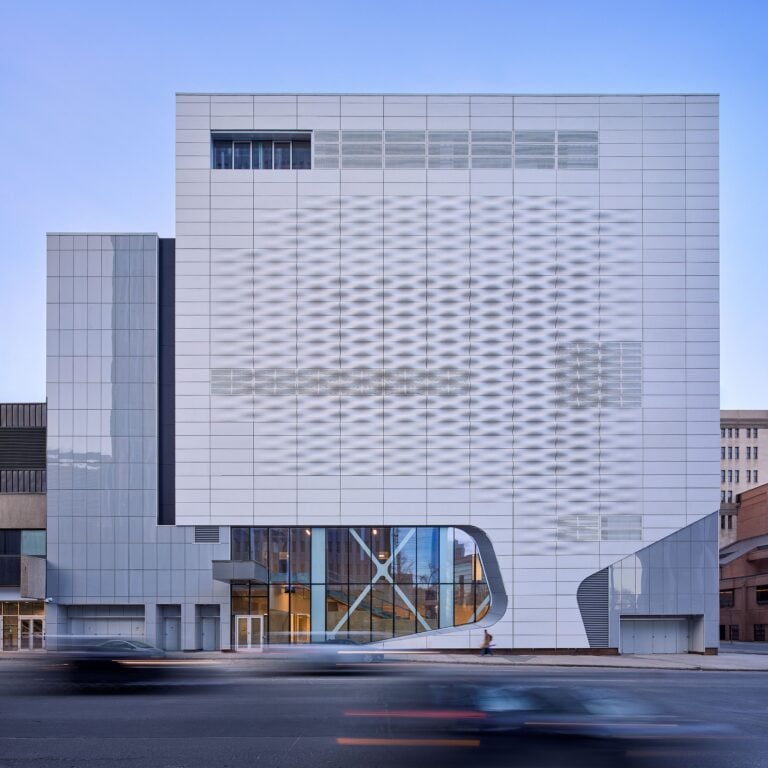
Rather than building new, we chose to transform our existing building into Glenbow’s revitalized home, the JR Shaw Centre for Arts & Culture – an approach that supports environmental sustainability, financial stability, and Calgary’s economy.
Reusing the building has delivered significant environmental benefits. It has prevented 56,000 tons of new carbon production over the lifespan of the building and 38,000 tons of concrete from reaching the landfill.
Where possible, we’ve also prioritized working with local companies. Local sourcing, especially for the building envelope, helped reduce the project’s reliance on international supply chains in a time of volatility.
Reducing Energy Use
The building’s refreshed design significantly reduces its environmental footprint. It cuts the building’s energy needs by almost a third – for every square metre, every year. Total annual energy will be reduced by approximately 2 million kWh and over 850,000kg of carbon emissions will be avoided every year.
Updated Systems, Increased Efficiency
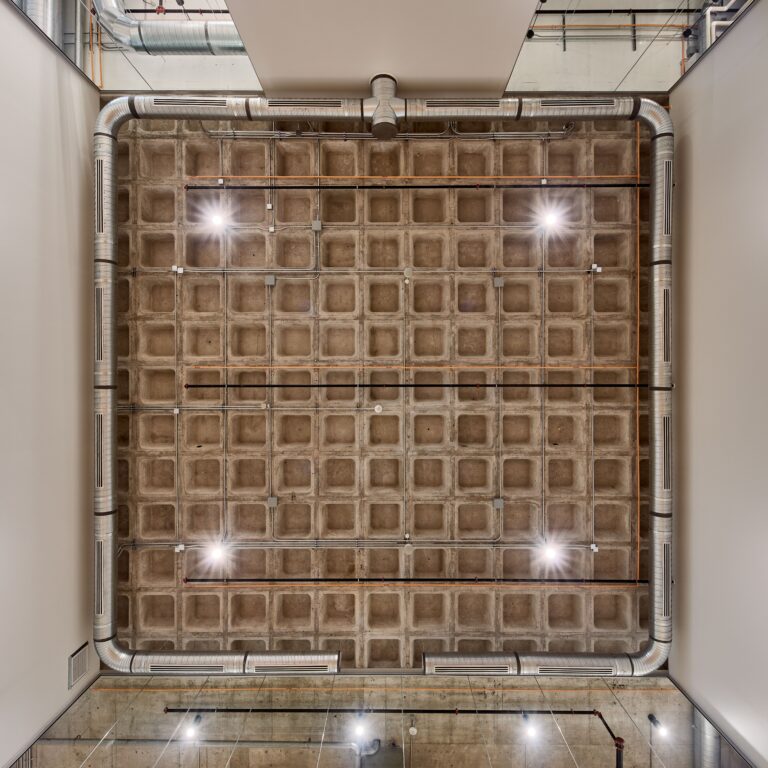
Updates across building systems ensure the museum can operate more efficiently – and save funds in the process. Initial assessments expect Glenbow to save over $150,000 on energy bills annually. These upgrades also make Glenbow one of the most energy efficient museums in Canada.
Museums inherently use a lot of energy to ensure artworks and objects are kept at a consistent temperature and relative humidity. On a like-for-like intensity basis, Glenbow now operates at approximately one third of the energy-use intensity of similar museums.
Looking Ahead
As caretakers of art, objects, and cultural belongings, it’s important we’re stewards of environmental sustainability, too. As we look ahead to reopening, sustainability will continue to shape how Glenbow operates – guiding decisions that reduce our environmental impact while supporting the long-term resilience of the museum and a brighter future for our community.
