The Calgary Group: Modern, Experimental, Controversial explores the story of a remarkable community of artists who challenged artistic conventions and helped establish Calgary as an important centre for art in Canada following the Second World War. It will be the inaugural exhibition from the JR Shaw Institute for Art in Canada, a program within Glenbow for research and creative practice made possible thanks to a $10 million endowment from Shaw Family Foundation.
To learn more about the Calgary Group and the upcoming exhibition, we spoke with Jocelyn Anderson, Director of the JR Shaw Institute for Art in Canada and curator of the exhibition.
Hello, Jocelyn! Tell us more about the Calgary Group – who were they?
The Calgary Group was a group of artists who came together in 1947 to support each other in their commitment to modern art and to collaborate on showing their art across Canada. There were 10 artists in the group: Cliff Robinson, Vivian Lindoe, Janet Mitchell, Marion Nicoll, Maxwell Bates, Wes Irwin, Luke Lindoe, H. B. Hill, William LeRoy Stevenson, and Dorothy Willis. These artists were the first from Calgary to tour their artwork across the country, introducing hundreds of Canadians to modern art from this city.
What inspired the upcoming exhibition?
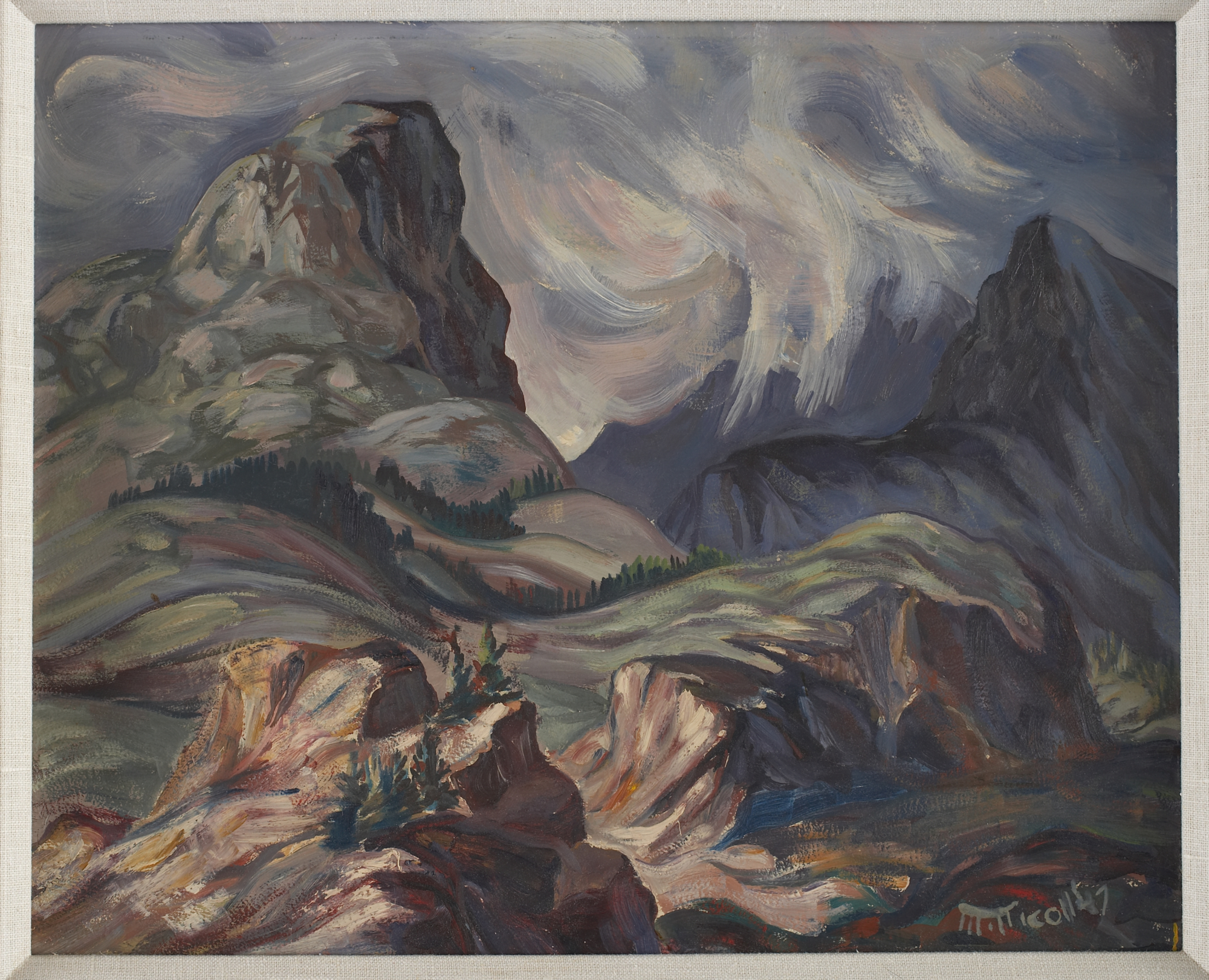
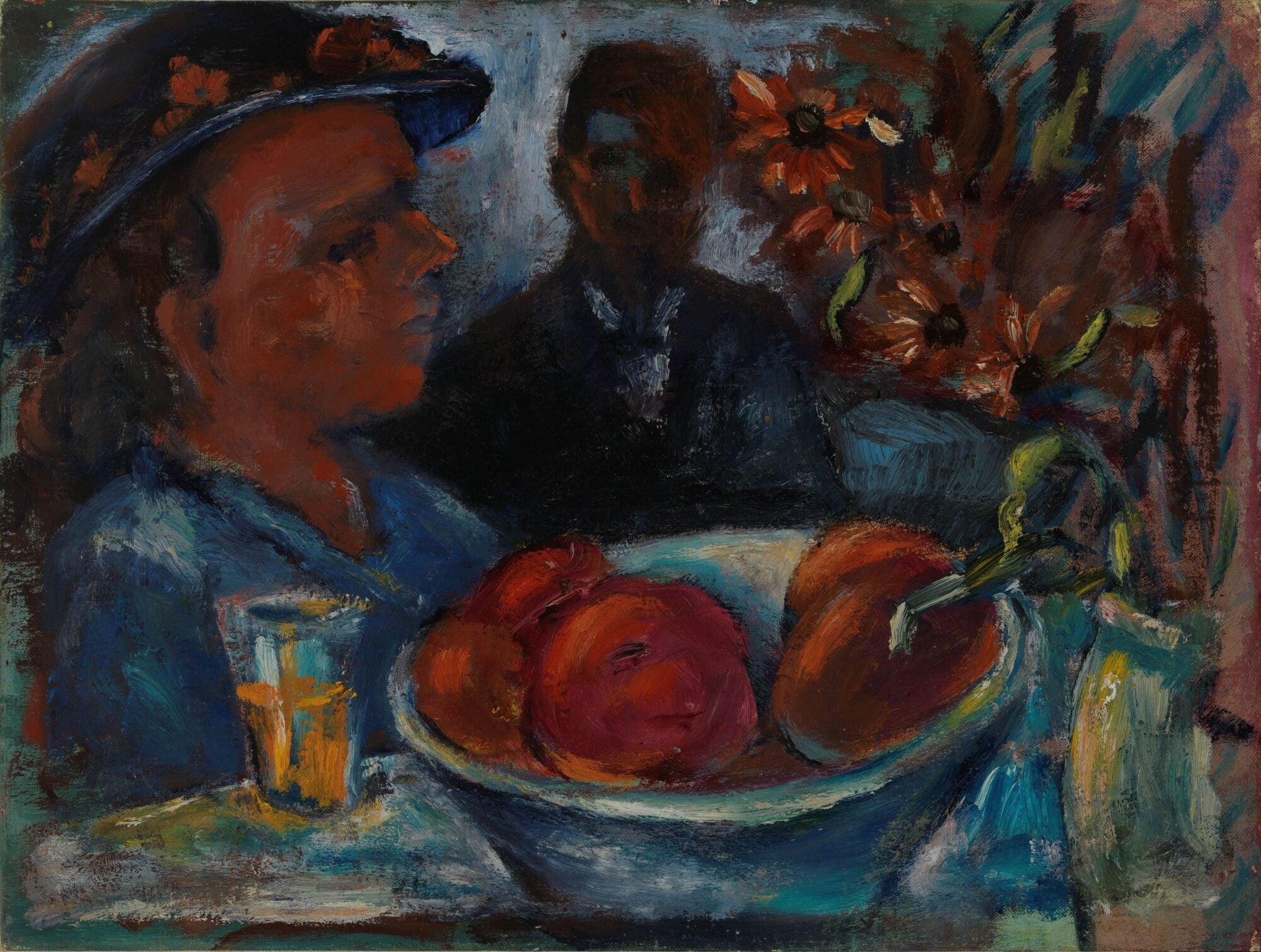
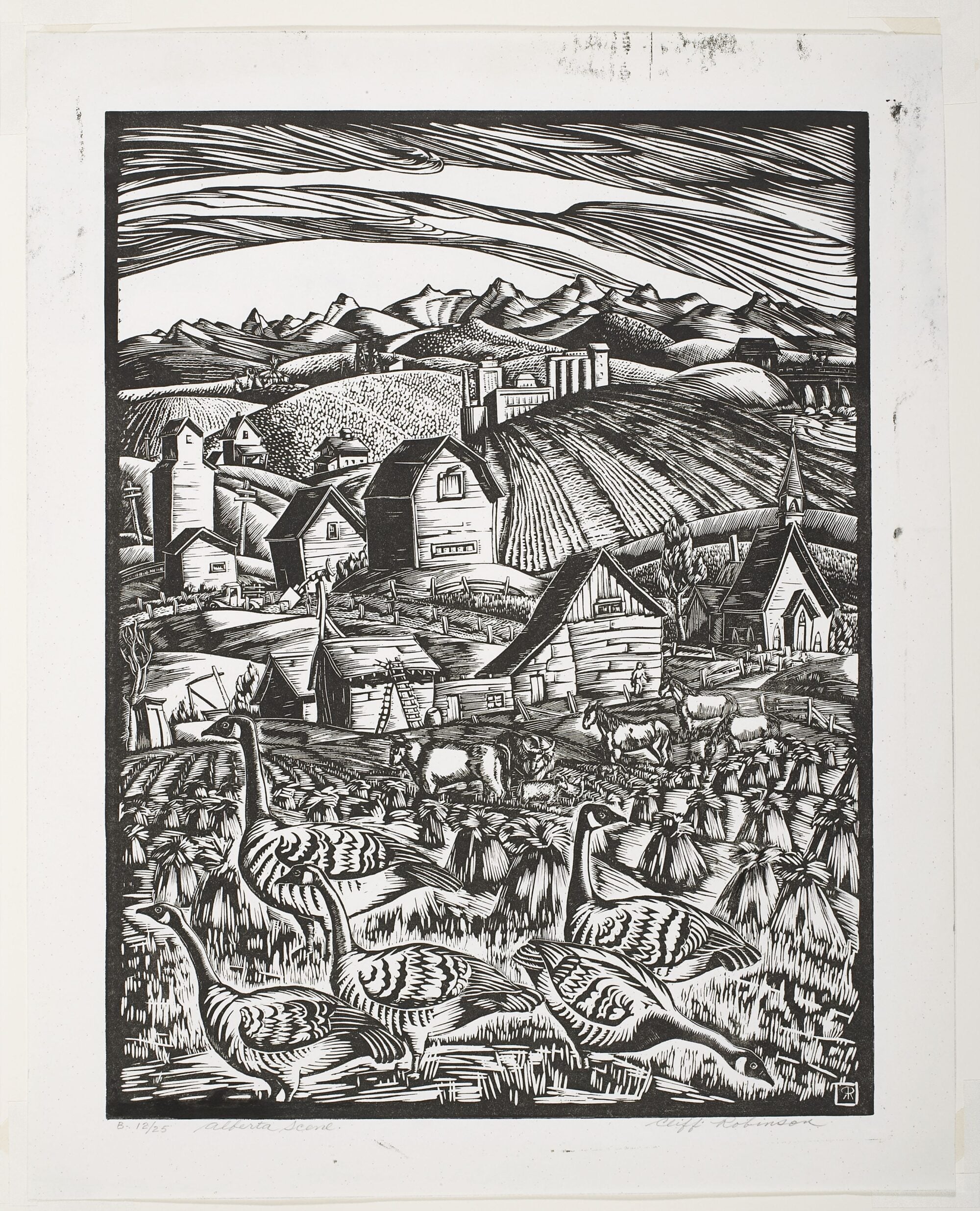
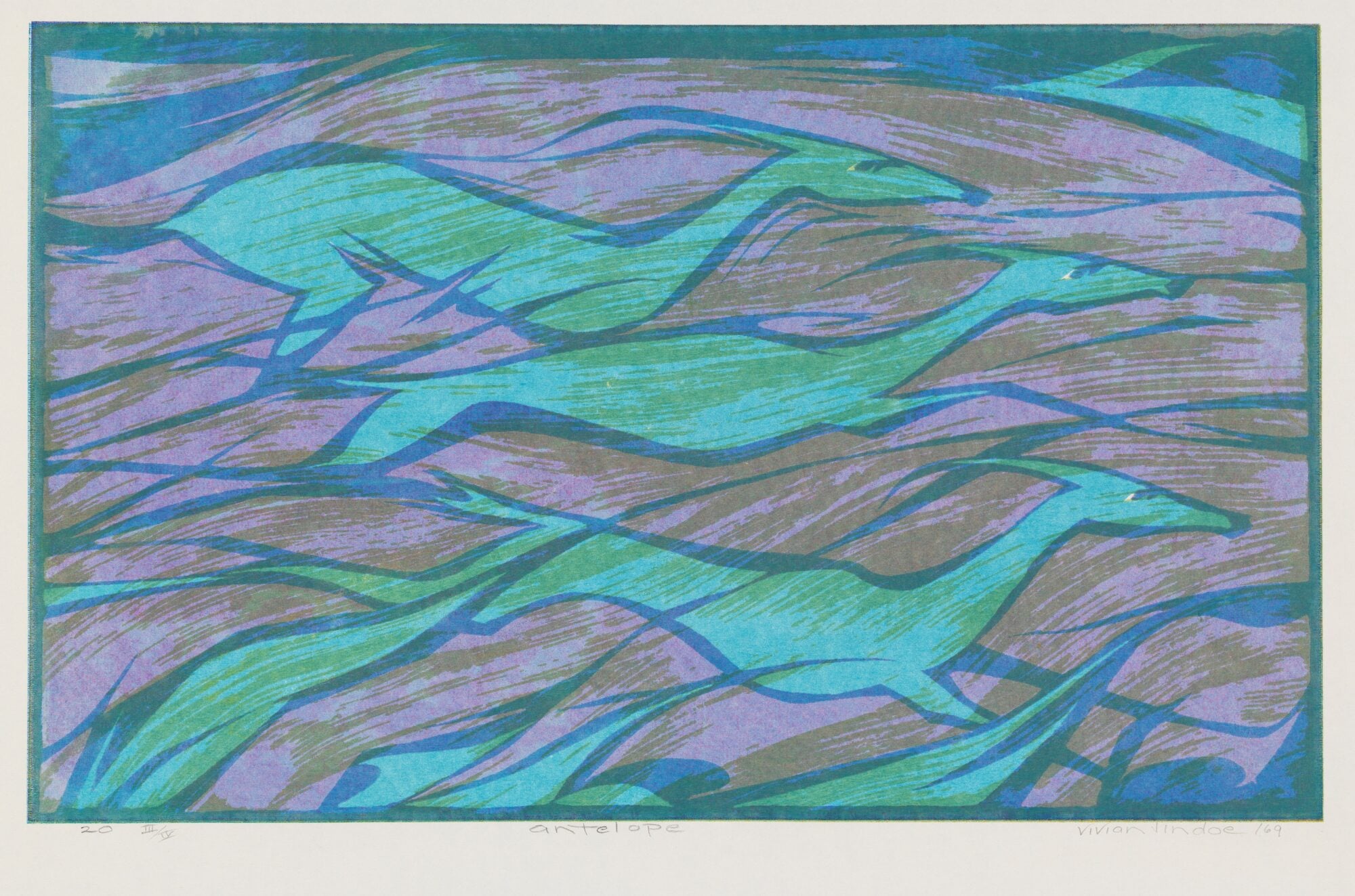
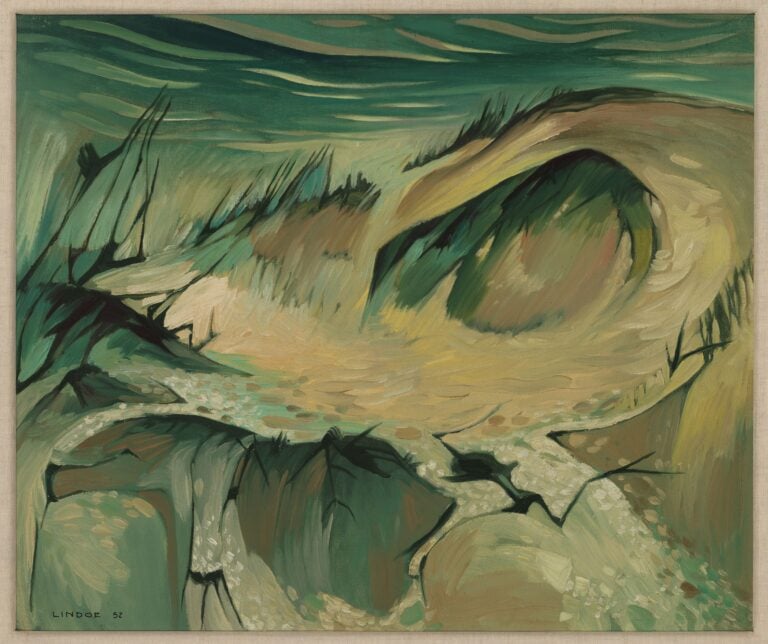
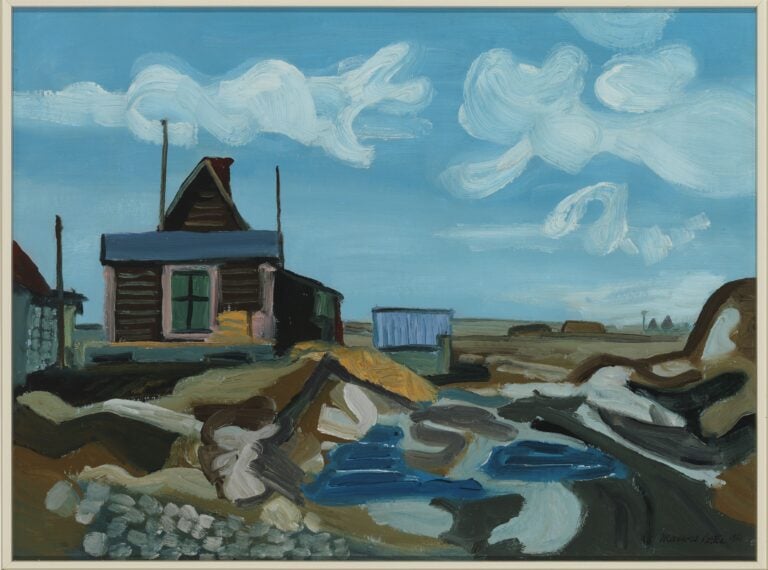
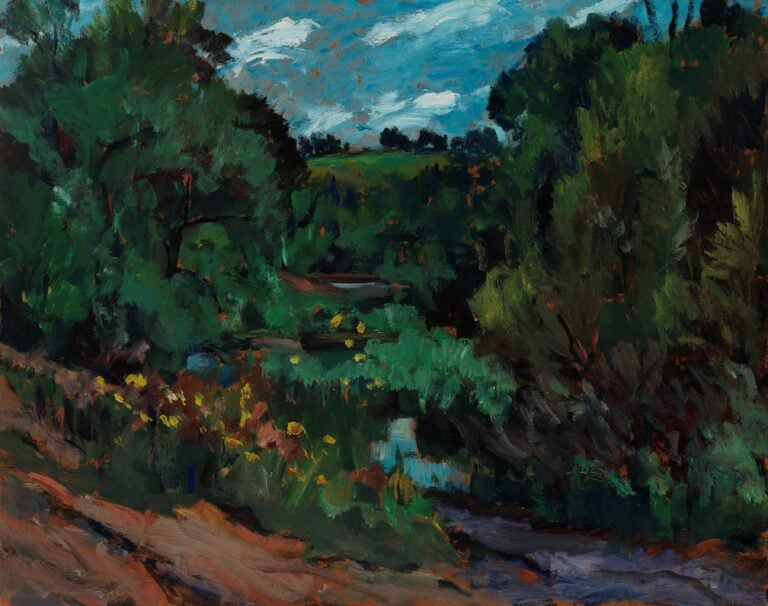
I’d come across the Calgary Group when I was working on a project on Marion Nicoll, but I never really knew the group’s history. When I started researching the group, I learned there had never been a major exhibition about them, which is surprising, because these artists had a tremendous impact in the art community in mid-century Calgary. Some of the artists became well known individually, but others less so — so it felt like there was a lot to learn and explore. And as soon as I started studying the paintings and prints made by artists in the group, I was really excited. There is incredible energy in their work, from paintings with swirling forms and strong colours to highly intricate prints.
What has been special about planning the exhibition?
We’ve found some amazing archival sources about artists in the group, and many extraordinary paintings. Several art collectors and art institutions — both here in Calgary and across Canada — have been very supportive of the project, and we’re very excited about many artworks we’re borrowing for the exhibition. We’ve also been able to do new conservation work on some artworks from Glenbow’s own collections, and we can’t wait to exhibit those works again. Finally, some of our most recent acquisitions of modern Calgary paintings will be in the exhibition, which we have never exhibited before.
How was the Calgary Group’s work received in Calgary at the time?
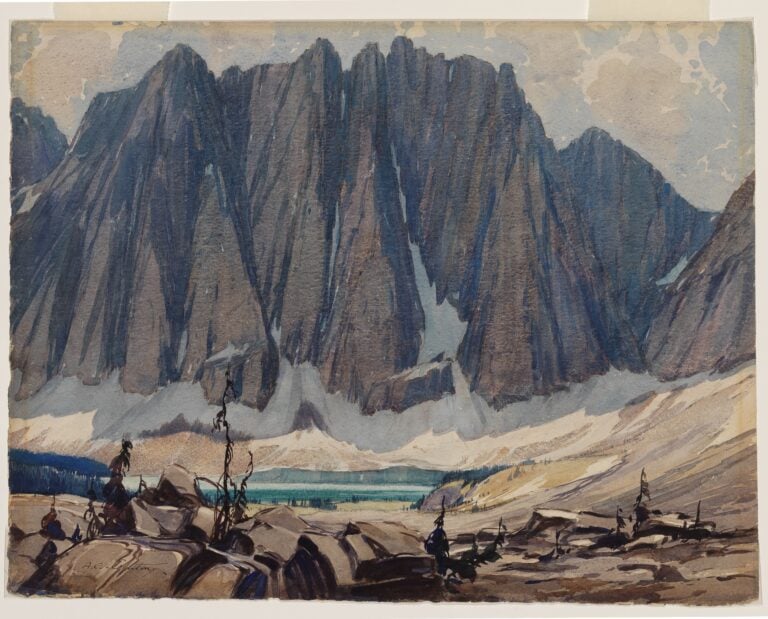
The Calgary Group advertised themselves as “Modern—Experimental—Controversial,” and they knew their work would be seen as radical. Established artists and art collectors in Calgary at the time had more conservative tastes and struggled to accept the Calgary Group’s work. Years later, Marion Nicoll commented, “Any time modern art stuck its head up… it got smacked down.” Looking at the art today, it can be hard to see how shocking it was, but when you look at the Calgary Group’s work alongside that of artists who dominated the city in the 1930s, like A. C. Leighton, you can really see how much painting was changing.
How did Calgary and the surrounding region shape the artists’ work?
One interesting aspect of the Calgary Group is that the artists worked in different styles and explored different subjects, but early in their careers they were all interested in painting landscapes representing southern Alberta. When the artist Jock Macdonald wrote an article celebrating the Group, he connected them to the Alberta environment, declaring, “High altitude, invigorating sunshine and geographical variations from mountain and foothill to prairie is surely the most desirable environment to stimulate the creative mind of the artist.” Some of the artists were more drawn to the mountains while others preferred the prairie, but they were all determined to create a new way of painting Alberta.
What role did friendship and community play in the group?
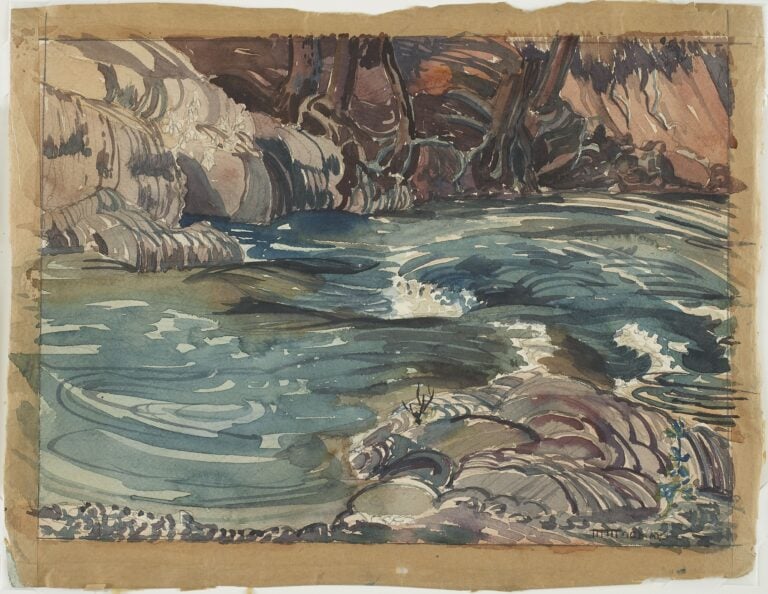
Within the Group, several of the artists were close friends, and they would discuss art together and show each other their latest paintings. One of my favourite examples of this is the friendship between Maxwell Bates and William LeRoy Stevenson: they met when they were both looking at art books at the Calgary Library (today Memorial Park Library), and after that they started bringing paintings and art magazines to show each other, meeting at a nearby café. Several artists in the group went on sketching trips together — Janet Mitchell credited Luke and Vivian Lindoe with teaching her about painting and camping in the mountains, and she went on to create some of her most famous paintings after those trips. In doing research for the exhibition, it was amazing to see how many times artists in the Group supported each other on different projects. They also worked closely with many artists who hadn’t been part of the original Calgary Group, and we’re planning to include several of those artists in the exhibition as well.
What is the legacy of the Calgary Group today?
Members of the Calgary Group played key roles in some of the city’s most important arts organizations, including the Allied Arts Centre at Coste House, which brought national and international art exhibitions to Calgary in the 1940s and 1950s, and the art department at the Provincial Institute of Technology and Art (today Alberta University of the Arts). They were also important mentors to artists who became key leaders in Calgary’s contemporary art community, including Harry Kiyooka and Katie Ohe. Through the Calgary Group’s efforts to create space for modern and contemporary art in Calgary, they created unprecedented opportunities for future generations of artists. They also succeeded in bringing national attention to art in Calgary, not just by showing their work across Canada, but by getting involved in national arts organizations. Some of the artists received national press coverage for their work; for instance, in 1963, Stevenson’s painting On Prince’s Island was on the cover of Canadian Art magazine. Other artists were included in major national exhibitions and their work was collected by the National Gallery of Canada.
What do you hope visitors will take away from the exhibition when it opens?
Many histories of modern art in Canada are dominated by stories of artists from other parts of Canada. I hope this exhibition will give people a sense of how exciting modern art in Calgary was.
Thank you, Jocelyn!
Nearly 80 years after the Calgary Group formed, their work continues to resonate. We look forward to welcoming visitors to explore their art, ideas, and legacy when Glenbow reopens.
