Glenbow celebrates its 60th anniversary this month!
Over the past six decades, Glenbow has grown into one of Canada’s most beloved and impactful cultural institutions, connecting generations of visitors with art, culture, history, and the many voices that shape this place.
Throughout the month, we’re marking the anniversary with a special series on our blog exploring Glenbow’s origins, evolution, collections, and what’s next. Previously, we explored Glenbow’s founding and the life and legacy of founder Eric Lafferty Harvie. In our latest post, we’ll explore Glenbow’s spaces through time.
Glenbow’s Early Homes
In Glenbow’s early years, the organization did not operate from a single, purpose-built museum. Instead, its collections were housed and displayed across ten locations in Calgary and Banff, notably:
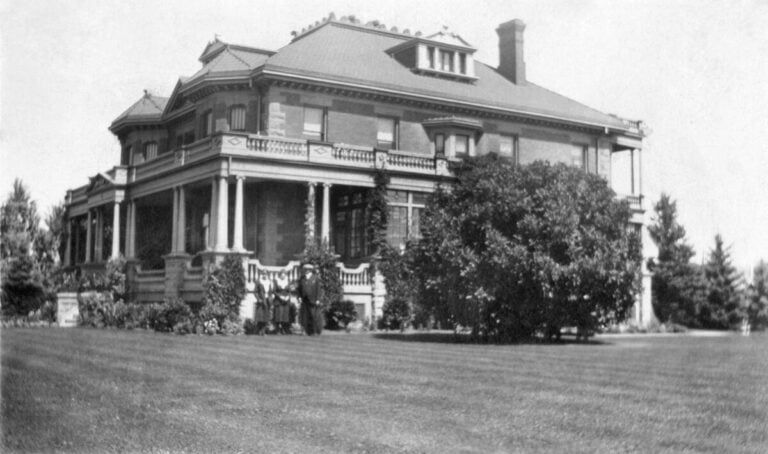
Hull House
1955 – mid 1960s
1202 6 Street SW, Calgary
The organization’s first primary site was the Hull House, which served as a base for the Glenbow Foundation’s administrative offices, art department, library and archives, and archaeology department. The house no longer exists and has been replaced by a 28-storey apartment complex called Hull Estates.
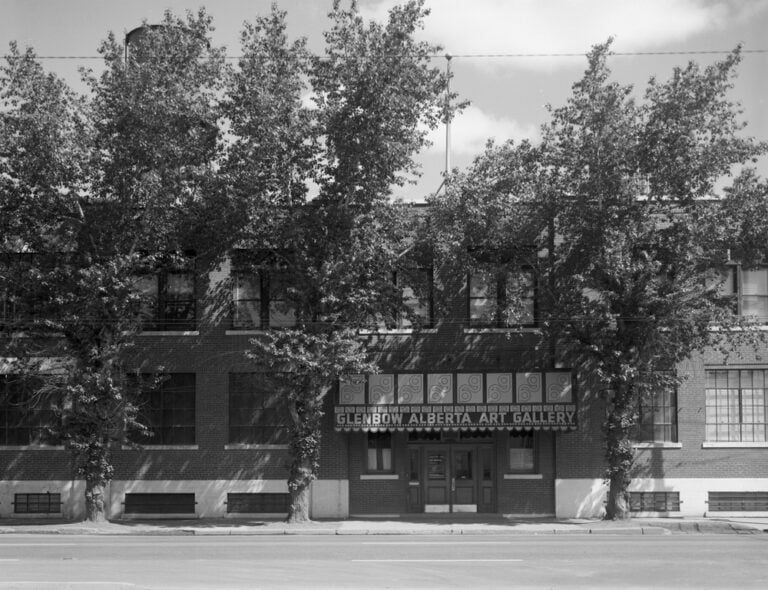
Ford Building
1961 – 1976
902 11 Avenue SW, Calgary
The Ford Building, built in 1922 as the Ford Motor Company of Canada Warehouse, held the Glenbow Foundation’s administrative offices, art department, exhibition design department, and photography studio. It also housed the Glenbow Foundation’s public art gallery, which opened in 1969. The building still exists today.
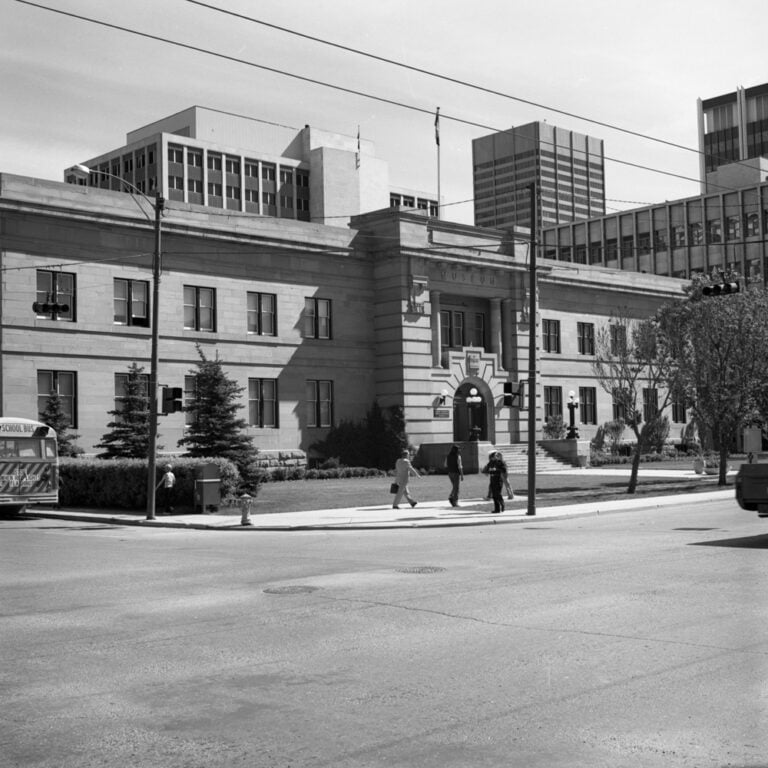
Calgary Court House
1964 – 1976
530 7 Avenue SW, Calgary
Built from 1912 to 1914 to house the Supreme Court of Alberta, the Calgary Court House building was home to Glenbow’s public museum and education department after the Supreme Court of Alberta moved in the early 1960s.
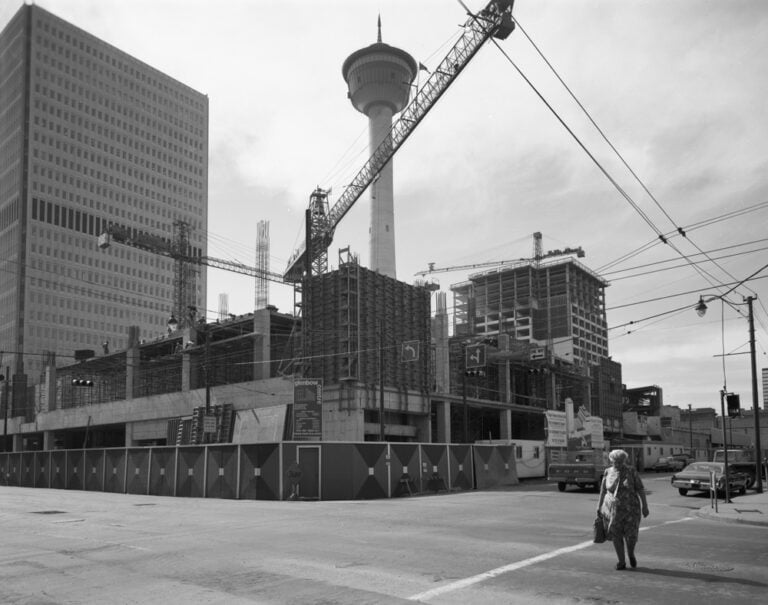
A Purpose-Built Museum
1976 – present
130 9 Avenue SE, Calgary
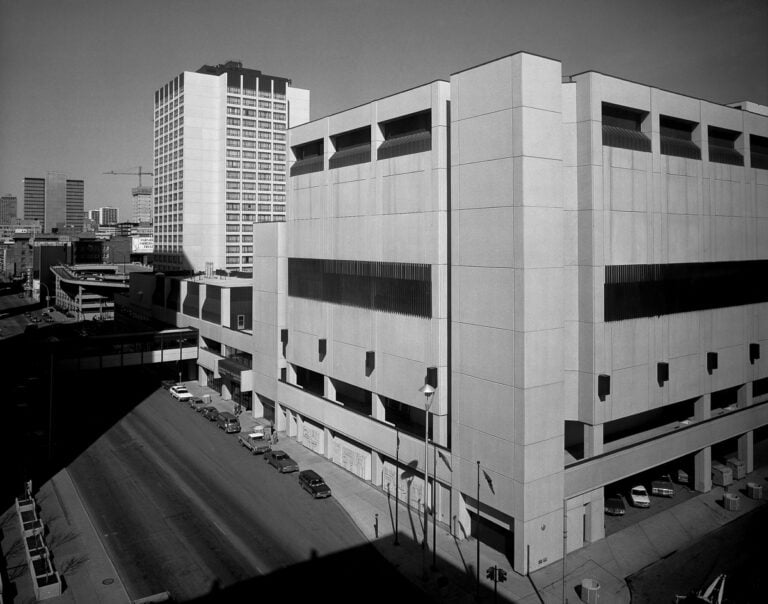
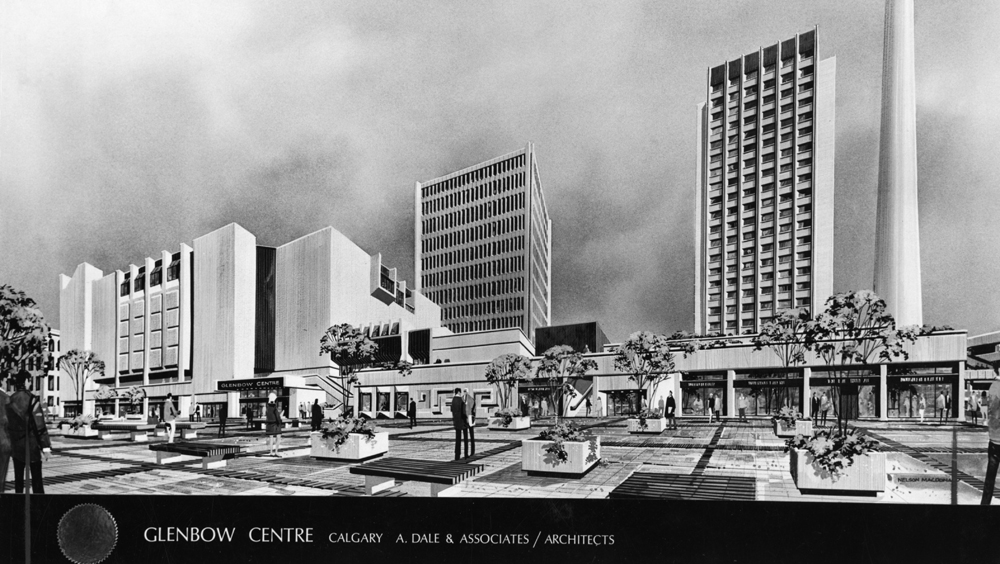
Glenbow’s current building was built in the early 1970s to house the museum and bring its extensive collections under one roof. The new facility was initially envisioned as part of a large public plaza and conference complex, seen in the rendering below. Though the original design never came to be, the museum building was incorporated into what is now the Calgary Telus Convention Centre.
Glenbow at The Edison
2022 – 2024
150 9 Avenue SW, Calgary
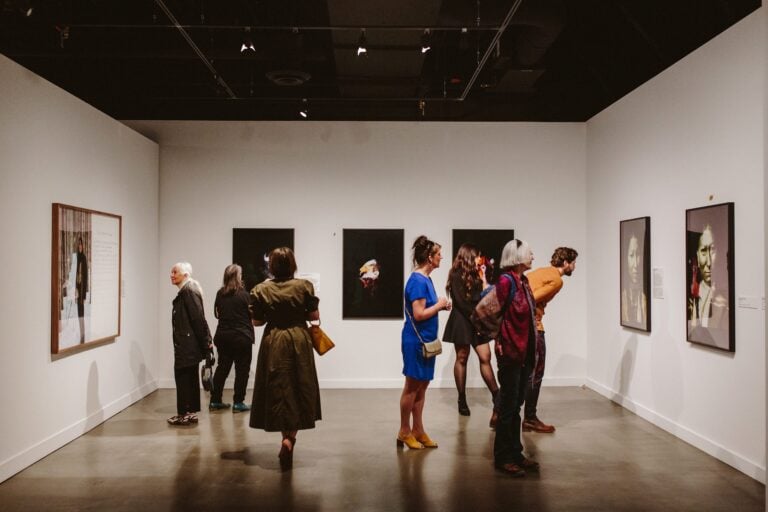
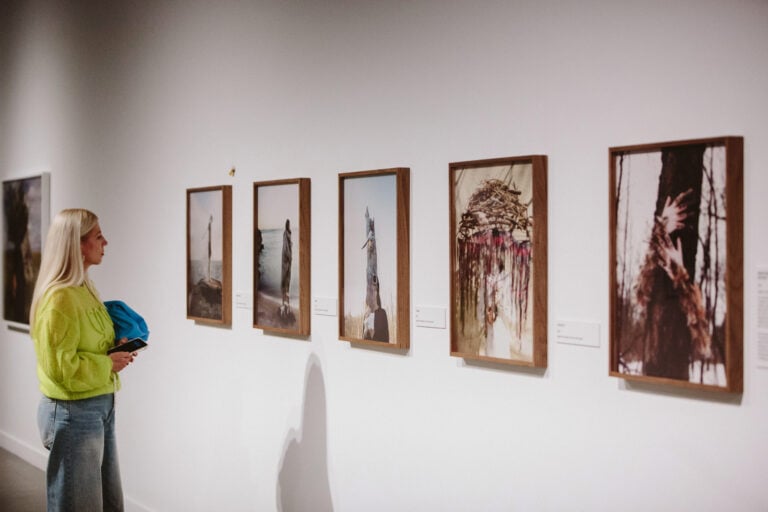
Glenbow at The Edison was a purpose-built temporary gallery where the museum delivered programming and stayed connected to its community while the main museum remained closed for renovations.
As part of The City of Calgary’s Downtown Strategy to revitalize and transform downtown into a culturally vibrant and thriving destination, The City provided funding support to convert an empty office suite on the Plus 15 level of The Edison building into a Class A museum space, complete with the necessary HVAC systems and climate controls.
What’s Next
After serving visitors for almost 50 years, Glenbow’s 1970s building was in need of design and infrastructure updates to better meet the needs of contemporary audiences.
Glenbow is currently completing a comprehensive revitalization of the building, transforming it into an accessible community hub: the JR Shaw Centre for Arts & Culture. With 44 exhibitions, displays, and installations across eight floors and 325,000 square feet of refreshed space, the reimagined museum will be an inspiring home for Glenbow’s collections, exhibitions, programs, and events.
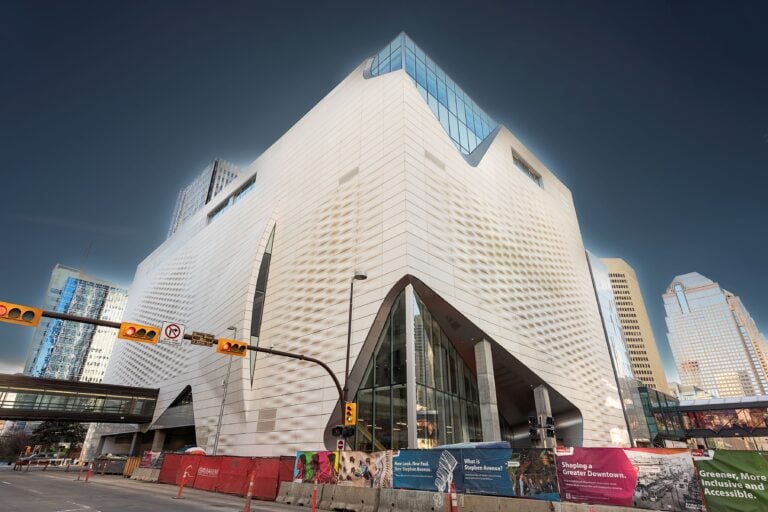
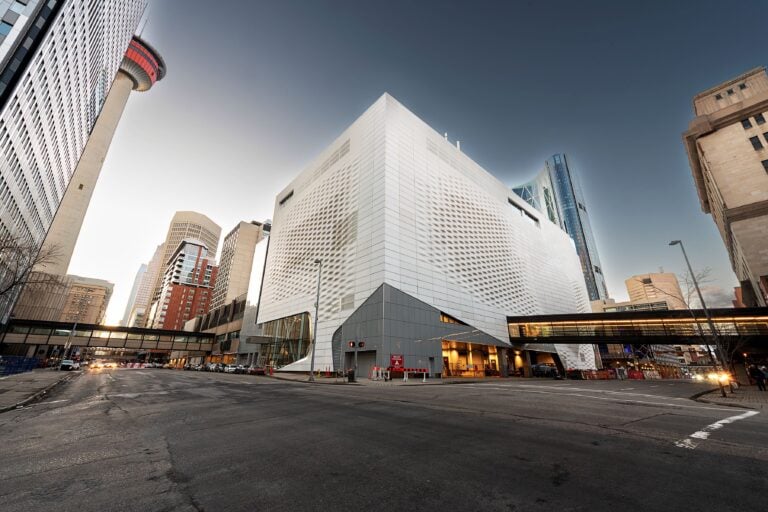
From its earliest homes to its reimagined future, Glenbow’s spaces reflect a lasting commitment to growth, transformation, and connection with community. We can hardly wait for what’s next.
